September 10, 2026
What the Newhall Pass Does to Your Brakes in the SCV
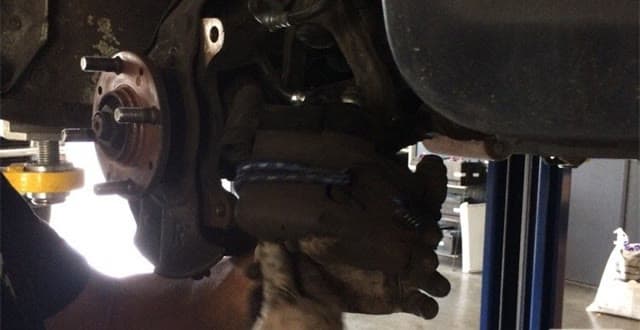
If your daily drive runs from Canyon Country down I-5 or Highway 14 toward the San Fernando Valley, your brakes are working harder than you might think. The commute out of the Santa Clarita Valley climbs to the Newhall Pass, the high point where the 14 splits off from the 5 at around 1,755 feet, then drops down grades that reach close to 6 percent into Sylmar and the valley floor.
That long, steady downhill is exactly the kind of driving that wears brake pads faster than an hour of open freeway ever would. Add the everyday stop-and-go on Soledad Canyon Road and Bouquet Canyon Road, plus the occasional run north over the Grapevine on I-5, and you have a brake system that rarely gets a rest. At SCV Auto Repairs, right here on Soledad Canyon Road, we see the pattern often: local drivers surprised their pads wore out sooner than the mileage chart promised.
Why the Newhall Pass descent eats brake pads
Every time you brake going downhill, the pads squeeze the rotors and turn your car's momentum into heat. On a flat road that happens in short bursts. On a long descent like the one off the Newhall Pass into the San Fernando Valley, gravity keeps pulling you faster, so a lot of drivers ride the brake the whole way down. That constant friction sends brake temperatures climbing.
When brakes get hot enough, they start to fade. Brake fade means the pads and fluid overheat until the pedal feels soft and the car takes longer to slow. It is unsettling on a 6 percent grade with traffic stacking up ahead, and it wears the pads much faster than normal stopping does.
The fix is not complicated. Shift into a lower gear before you start down the pass and let the engine help hold your speed. This is called engine braking, and a hybrid or EV does much the same thing with regenerative braking. Instead of dragging the brakes the entire descent, brake firmly for a moment to shed speed, then let off so everything can cool, and repeat on the way into the valley.
Stop-and-go on Soledad Canyon and Bouquet Canyon
The pass is only half the story. The other half is the daily grind on our surface streets. Soledad Canyon Road and Bouquet Canyon Road carry heavy commuter traffic, and every red light, school-zone slowdown, and left-turn queue is another brake application. City stop-and-go is tougher on pads per mile than steady highway cruising, because you brake from speed over and over again.
Our climate adds to it. When Santa Clarita sits above 100 degrees for days at a time, and it hit triple digits plenty this July, the pavement radiates heat and your brakes never fully cool between stops. Cold high-desert mornings bring the opposite problem: stone-cold pads and rotors that don't grip as well on the first few stops until they warm up. Between the heat, the hills, and the traffic, brakes in the SCV live a harder life than they would in flat, mild country.
Warning signs your brakes need attention
Brakes usually warn you before they fail. If you drive the pass and our canyon roads every day, watch for these signs:
- A high-pitched squeal when you press the pedal, often the built-in wear indicator telling you the pads are getting thin
- A grinding or grating sound, which usually means the pad material is gone and metal is contacting the rotor
- A brake pedal that feels soft, spongy, or sinks toward the floor
- Vibration or pulsing through the pedal or steering wheel as you slow down
- Longer stopping distances, or the car pulling to one side when you brake
- A brake warning light on the dash
Get your brakes checked before they cost you more
Grinding and a sinking pedal are the ones to act on right away. Caught early, a worn pad is usually a straightforward brake repair. Ignored, it lets the pads chew up the rotors and calipers and turns a small job into a much larger one. Because the terrain here is so demanding, it pays to have your brakes looked at regularly instead of waiting for a noise.
Our ASE-certified technicians can measure pad thickness and check the rotors and fluid on all makes and models, including hybrid and electric vehicles, using OEM-quality parts and backing completed repairs with a 3-year/36,000-mile nationwide warranty. If your brakes have started squealing coming down the Newhall Pass, or the pedal doesn't feel right on Soledad Canyon Road, call the team at SCV Auto Repairs at 661-251-2515 or stop by.
Frequently Asked Questions
How often should I have my brakes checked if I drive over the Newhall Pass every day?
There is no single mileage that fits everyone, because brake wear depends on how and where you drive. Daily descents off the Newhall Pass and constant stop-and-go on Soledad Canyon and Bouquet Canyon roads wear pads faster than gentle highway miles, so it is smart to have them inspected at least once a year, or any time you hear or feel something new. Many drivers fold a brake check into their regular oil change.
Does engine braking really save my brake pads on the descent into the San Fernando Valley?
Yes. Shifting to a lower gear lets the engine's resistance hold your speed so you are not dragging the pads the whole way down the grade. That keeps brake temperatures lower, which reduces fade and slows how quickly the pads wear. Hybrids and electric vehicles get a similar benefit from regenerative braking.
Why do my brakes squeal on cold Santa Clarita mornings but not later in the day?
A light squeal when the pads and rotors are cold, especially on our chilly high-desert mornings, can be normal and often goes away once the brakes warm up. A squeal that keeps happening at every stop is different. That is usually the wear indicator telling you the pads are getting thin and should be inspected.
Do you service brakes on hybrids and electric vehicles?
Yes. We work on all makes and models, including hybrid and electric vehicles. Those cars use regenerative braking that can help the friction pads last longer, but they still have conventional brakes that need inspection and service, and our ASE-certified technicians are equipped to handle them.
Related service
Need help now? See our Brake Repair in Santa Clarita.